
·
Last Updated: August 18, 2026
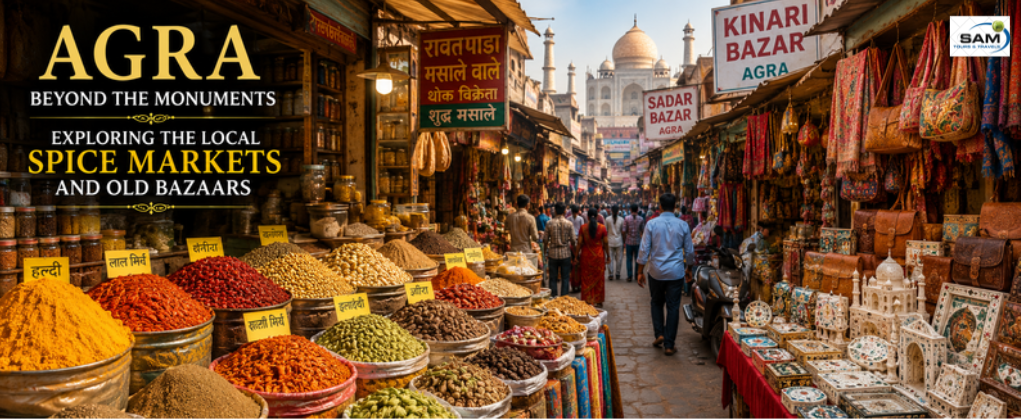
When people think of Agra, the first image that comes to mind is the magnificent Taj Mahal. While the city is globally renowned for its Mughal architecture, Agra offers much more than historic monuments. Hidden within its bustling streets are vibrant spice markets, centuries-old bazaars, traditional handicraft shops, and local food stalls that reveal the city’s authentic character.
Exploring Agra’s old markets is like stepping back in time. The narrow lanes are filled with the aroma of freshly ground spices, colorful textiles, handcrafted leather goods, marble souvenirs, and the lively conversations of local traders. These markets provide a unique opportunity to experience the city’s rich cultural heritage beyond its famous landmarks.
Whether you’re a foodie, photographer, history enthusiast, or shopping lover, Agra’s spice markets and old bazaars deserve a place on your travel itinerary.
Why Explore Agra’s Local Markets?
The old bazaars of Agra have served as important trading centers since the Mughal era. Today, they continue to preserve traditional craftsmanship, local flavors, and cultural traditions that have been passed down through generations.
Reasons to explore Agra’s markets include:
- Experience authentic local culture
- Shop for handcrafted souvenirs
- Discover traditional Indian spices
- Taste famous Agra street food
- Meet local artisans
- Capture colorful photographs
- Support small family-owned businesses
Unlike modern shopping malls, these bustling markets offer a truly immersive travel experience.
Famous Spice Markets in Agra
Agra’s spice markets are a paradise for food lovers and home cooks. Walking through these markets, you’ll find shops displaying fragrant spices, dried herbs, nuts, and traditional Indian seasonings.
Popular Spices to Buy
- Turmeric
- Red Chili Powder
- Coriander
- Cumin
- Garam Masala
- Cardamom
- Cinnamon
- Cloves
- Black Pepper
- Fennel Seeds
- Dry Mango Powder (Amchur)
- Kasuri Methi
Many spice vendors also prepare freshly blended masalas using traditional grinding techniques.
Kinari Bazaar
One of Agra’s oldest and busiest markets, Kinari Bazaar is located near Agra Fort and offers a fascinating glimpse into the city’s commercial heritage.
What You’ll Find
- Traditional jewelry
- Wedding accessories
- Marble handicrafts
- Religious items
- Textiles
- Decorative home décor
- Local snacks
Its narrow lanes and vibrant atmosphere make it one of the most photogenic shopping destinations in Agra.
Rawatpara Market
Rawatpara is one of Agra’s most famous wholesale spice markets. Locals visit this bustling area to purchase fresh spices, dry fruits, herbs, and cooking essentials.
Best Things to Buy
- Premium spice blends
- Dry fruits
- Pickles
- Herbal products
- Traditional Indian seasonings
The rich aroma of spices fills the air, creating a memorable sensory experience.
Sadar Bazaar
Sadar Bazaar is one of Agra’s most popular markets for both locals and tourists. It’s a great place to combine shopping with food exploration.
Popular Purchases
- Leather goods
- Shoes
- Handbags
- Marble souvenirs
- Clothing
- Handicrafts
- Street food
- Agra Petha
The lively evening atmosphere makes it a favorite destination after sightseeing.
Subhash Bazaar
Known for textiles and traditional Indian clothing, Subhash Bazaar is ideal for visitors looking to buy ethnic wear and affordable souvenirs.
You’ll also find:
- Home décor
- Local handicrafts
- Gift items
- Jewelry
- Accessories
Local Foods to Try While Exploring
Agra’s markets are filled with delicious street food and traditional snacks.
Don’t miss:
Agra Petha
The city’s signature sweet, available in many flavors including saffron, paan, chocolate, and angoori.
Bedai and Aloo Sabzi
A popular breakfast combination featuring crispy fried bread served with spicy potato curry.
Kachori
Freshly fried kachoris served with tangy chutneys are a local favorite.
Dalmoth
A crunchy, spicy snack made with lentils and nuts that also makes a great souvenir.
Chaat
Enjoy flavorful street-style snacks such as:
- Aloo Tikki
- Papdi Chaat
- Dahi Bhalla
- Golgappa
What to Buy in Agra’s Old Bazaars
Besides spices, Agra is famous for several handcrafted products.
Popular shopping items include:
- Marble inlay handicrafts
- Leather bags
- Handmade shoes
- Brass artifacts
- Carpets
- Rugs
- Wooden handicrafts
- Decorative lamps
- Religious souvenirs
- Traditional jewelry
Many of these items are handcrafted by artisans using techniques passed down for generations.
Tips for Shopping
Bargain Politely
Negotiating prices is common in traditional markets, but always be respectful.
Compare Prices
Visit multiple shops before making expensive purchases.
Buy from Reputable Vendors
For marble handicrafts and leather goods, choose established shops that provide quality assurance.
Carry Cash
Although many shops accept digital payments, smaller vendors may prefer cash.
Pack Spices Properly
If buying spices, ask vendors to seal them securely for travel.
Best Time to Visit the Markets
The ideal time is:
- Late afternoon
- Early evening
Most markets become lively after 4:00 PM, when the weather is cooler and local shoppers arrive.
The best season to explore Agra’s bazaars is between October and March.
Suggested Market Tour
Morning
- Visit the Taj Mahal
- Explore Agra Fort
Lunch
- Enjoy authentic Mughlai cuisine
Afternoon
- Visit Rawatpara Spice Market
Evening
- Explore Kinari Bazaar
- Shop at Sadar Bazaar
- Taste Agra Petha and local street food
This itinerary combines history, shopping, and local culture in a single day.
Responsible Shopping Tips
Support local artisans by purchasing authentic handmade products instead of mass-produced souvenirs. Avoid buying items made from endangered wildlife products or antiques that may require export permits.
Choosing locally crafted goods helps preserve Agra’s traditional craftsmanship and benefits the community.
Why Agra’s Markets Are Worth Exploring
The old bazaars of Agra offer an entirely different perspective on the city. Beyond the grandeur of the Taj Mahal lies a vibrant world of spices, handicrafts, bustling markets, and centuries-old traditions. Exploring these streets allows visitors to experience the authentic rhythm of daily life while discovering unique products and unforgettable flavors.
Conclusion
Agra’s spice markets and historic bazaars are hidden gems waiting to be explored. From the aromatic stalls of Rawatpara to the colorful lanes of Kinari Bazaar and the lively atmosphere of Sadar Bazaar, these markets showcase the city’s rich cultural and commercial heritage. Whether you’re shopping for spices, tasting local delicacies, or searching for handcrafted souvenirs, exploring Agra beyond its monuments offers an enriching and memorable travel experience.
Frequently Asked Questions (FAQs)
1. Which is the best spice market in Agra?
Rawatpara Market is the most popular destination for buying authentic Indian spices, dry fruits, herbs, and traditional spice blends.
2. What are the best bazaars to visit in Agra?
Kinari Bazaar, Sadar Bazaar, Rawatpara Market, and Subhash Bazaar are among the city’s most famous shopping destinations.
3. What is Agra famous for buying?
Agra is known for marble inlay handicrafts, leather goods, spices, carpets, rugs, brass artifacts, and the famous Agra Petha.
4. Is bargaining allowed in Agra’s markets?
Yes. Bargaining is common in local bazaars, especially when purchasing handicrafts, souvenirs, and clothing.
5. What is the best time to explore Agra’s old bazaars?
Late afternoon and evening are ideal, particularly between October and March, when the weather is pleasant and the markets are at their liveliest.