
·
Last Updated: August 18, 2026
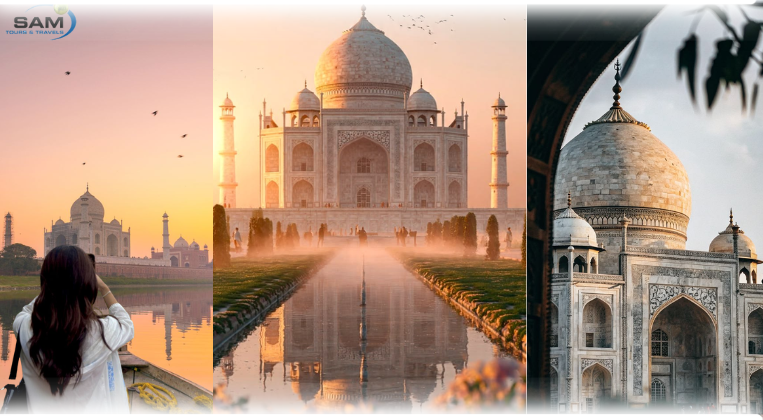
For many travelers, visiting the Taj Mahal is a dream come true. Whether you’re a professional photographer, a travel blogger, a social media enthusiast, or simply someone who wants unforgettable memories, capturing beautiful photographs of the Taj Mahal is often one of the highlights of the journey.
The iconic white marble monument is one of the most photographed landmarks in the world. Yet many visitors return home feeling disappointed with their images. Crowds, harsh sunlight, poor composition, and lack of planning can prevent travelers from getting the stunning shots they envisioned.
The good news is that you don’t need expensive equipment or years of photography experience to take incredible pictures. With the right timing, angles, lighting, and a few expert techniques, anyone can create breathtaking images of this architectural masterpiece.
This complete Taj Mahal photography guide will help you understand the best viewpoints, ideal lighting conditions, camera settings, and practical travel tips to capture photos that truly reflect the beauty of this UNESCO World Heritage Site.
Why the Taj Mahal Is Every Photographer’s Dream
The Taj Mahal offers a unique combination of elements that photographers love:
- Perfect architectural symmetry
- Reflective water pools
- Beautiful gardens
- Intricate marble details
- Changing light throughout the day
- Stunning sunrise and sunset colors
- Rich historical atmosphere
Unlike many monuments, the Taj Mahal appears different every hour. The changing sunlight affects the white marble, creating subtle shifts in color and mood that provide endless photographic possibilities.
This is one reason travelers often spend several hours exploring different perspectives and compositions during their Agra tour.
Understanding Light Before Taking Photos
Photography is all about light.
Many first-time visitors focus on camera equipment while ignoring lighting conditions. In reality, lighting has a far greater impact on your final image than the camera itself.
Sunrise Photography
Most experienced photographers consider sunrise the best time to photograph the Taj Mahal.
Why Sunrise Works
- Fewer tourists.
- Soft golden light.
- Pleasant temperatures.
- Cleaner backgrounds.
- Better reflections in water features.
As the first sunlight touches the marble surface, the monument often displays delicate shades of pink, gold, and cream.
This magical effect usually lasts only a short time, making early arrival essential.
Morning Light
Between 8:00 AM and 10:00 AM, the monument remains beautifully illuminated.
Benefits include:
- Clear skies.
- Strong architectural details.
- Bright colors.
- Excellent visibility.
Many travelers find this period ideal for both landscape photography and portrait photography.
Midday Challenges
The midday sun creates harsh shadows and bright highlights.
Common issues include:
- Overexposed marble.
- Washed-out skies.
- Strong facial shadows.
- Increased crowds.
If visiting during this period, focus on:
- Close-up details.
- Architectural patterns.
- Black-and-white photography.
Sunset Photography
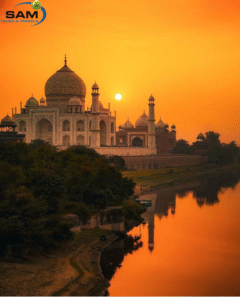
While sunrise is often preferred, sunset provides a completely different atmosphere.
Benefits include:
- Warm golden tones.
- Dramatic skies.
- Romantic ambiance.
- Softer lighting conditions.
Photographers frequently visit nearby viewpoints to capture sunset images of the Taj Mahal from a distance.
Best Angles to Photograph the Taj Mahal
One of the biggest mistakes visitors make is taking every photo from the same location.
Exploring different viewpoints can dramatically improve your results.
The Grand Entrance Frame
The first iconic view appears through the massive gateway.
This angle creates:
- Natural framing.
- Depth.
- Dramatic first impressions.
For many visitors, this becomes their favorite image of the day.
Photography Tip
Position yourself centrally to emphasize symmetry.
The Reflecting Pool Shot
Perhaps the most famous Taj Mahal photograph features the monument reflected in the long central pool.
Why It Works
- Perfect symmetry.
- Strong visual balance.
- Classic composition.
Arrive early to avoid crowds disrupting the reflection.
Garden Path Perspectives
Many travelers overlook the surrounding gardens.
The pathways offer:
- Leading lines.
- Framed compositions.
- Unique viewpoints.
These locations often produce more creative images than the standard tourist shots.
Side Angle Views
Moving away from the central axis reveals interesting architectural dimensions.
Side views highlight:
- Depth.
- Curves.
- Structural details.
These compositions often appear more artistic and less conventional.
Low-Angle Photography
Shooting from a lower position can make the monument appear larger and more dramatic.
Benefits include:
- Stronger foreground interest.
- Enhanced scale.
- Unique perspective.
This technique works particularly well during sunrise.
Best Photography Spots Around the Taj Mahal
Many travelers focus solely on the monument grounds.
However, some of the best photographs are captured from nearby locations.
Mehtab Bagh
Mehtab Bagh is located across the Yamuna River.
This garden offers:
- Unobstructed views.
- Beautiful sunsets.
- Fewer crowds.
- Reflection opportunities.
Many professional photographers visit Mehtab Bagh specifically for panoramic shots.
Agra Fort
Agra Fort provides historical viewpoints overlooking the Taj Mahal.
These images combine:
- Mughal architecture.
- Historical context.
- Unique framing.
This perspective tells a richer visual story.
Riverbank Views
Certain areas along the Yamuna River provide uncommon angles rarely seen in guidebooks.
These locations often create:
- Artistic compositions.
- Peaceful scenes.
- Less crowded environments.
Photography Tips for Smartphone Users
You don’t need a professional camera to capture beautiful photos.
Modern smartphones are capable of producing impressive results.
Clean the Lens
This simple step can dramatically improve image quality.
A clean lens ensures:
- Better sharpness.
- Improved contrast.
- More accurate colors.
Use Grid Lines
Enable grid lines on your phone camera.
They help:
- Maintain symmetry.
- Improve composition.
- Align horizons.
Since the Taj Mahal is known for symmetry, this feature is extremely useful.
Avoid Digital Zoom
Digital zoom reduces image quality.
Instead:
- Move closer when possible.
- Crop later during editing.
This preserves detail and sharpness.
Tap to Focus
Always tap the monument before taking the photo.
This ensures:
- Proper exposure.
- Better sharpness.
- Accurate focus.
Photography Tips for DSLR and Mirrorless Cameras
Travelers carrying advanced cameras have additional creative opportunities.
Use a Wide-Angle Lens
Wide lenses help capture:
- Full architecture.
- Gardens.
- Foreground elements.
They are especially useful near the entrance gate.
Shoot in RAW Format
RAW files preserve more image information.
Advantages include:
- Better editing flexibility.
- Improved dynamic range.
- Enhanced color correction.
Experiment with Aperture
For landscapes:
- Use higher f-stop values.
For portraits:
- Use wider apertures.
This creates beautiful background blur while keeping the subject sharp.
Portrait Photography at the Taj Mahal
Many travelers want memorable personal photographs during their visit.
Choose Early Morning Hours
Morning light creates flattering skin tones and softer shadows.
This reduces the need for heavy editing later.
Use the Monument as a Background
Avoid standing too close.
Instead:
- Create distance.
- Include architectural context.
- Maintain balance.
This produces more professional-looking portraits.
Incorporate Movement
Walking shots often feel more natural than posed photographs.
Examples include:
- Walking through gardens.
- Looking toward the monument.
- Candid interactions.
These images tell a story rather than simply documenting a visit.
Common Photography Mistakes to Avoid
Even experienced travelers occasionally make mistakes.
Arriving Too Late
Large crowds can limit photographic opportunities.
Arriving early offers:
- Better compositions.
- Cleaner backgrounds.
- More freedom to explore.
Ignoring Weather Conditions
Weather influences mood and lighting.
Cloudy skies can create dramatic photographs that are often more interesting than clear skies.
Taking Only Wide Shots
Many visitors focus exclusively on the entire monument.
Don’t forget:
- Marble carvings.
- Floral patterns.
- Architectural details.
- Decorative calligraphy.
These close-up images add variety to your photo collection.
Overediting Images
Excessive editing can make photos look unnatural.
Aim for:
- Realistic colors.
- Balanced contrast.
- Natural lighting.
Authentic images often perform better on travel blogs and social media.
Best Seasons for Taj Mahal Photography
Winter (October–March)
This is widely considered the ideal season.
Benefits include:
- Comfortable weather.
- Clear visibility.
- Pleasant sunlight.
- Better travel conditions.
Monsoon (July–September)
Rainy conditions can create unique opportunities.
Advantages include:
- Lush gardens.
- Dramatic skies.
- Fewer tourists.
Many photographers enjoy the moody atmosphere created by monsoon clouds.
Summer (April–June)
Although temperatures can be high, sunrise photography remains rewarding.
Early mornings offer:
- Beautiful light.
- Lower crowds.
- Clear skies.
Social Media Photography Tips
If your goal is Instagram, Pinterest, or travel blogging, consider these techniques:
Create Variety
Capture:
- Wide landscapes.
- Close-up details.
- Portraits.
- Architectural patterns.
Focus on Storytelling
Instead of posting one image, create a visual journey.
Show:
- Arrival.
- Exploration.
- Details.
- Scenic views.
This approach increases audience engagement.
Final Thoughts
Photographing the Taj Mahal is about more than simply pointing a camera at a famous monument. It is about understanding light, composition, timing, and storytelling. The monument rewards patience and creativity, offering endless opportunities for travelers to capture extraordinary images.
Whether you are using a smartphone or professional camera, planning your visit carefully can dramatically improve your results. Arriving early, exploring different angles, utilizing natural light, and paying attention to details will help you create photographs that stand out from typical tourist snapshots.
The Taj Mahal remains one of the world’s most beautiful landmarks, and with the right photography approach, you can bring home images that truly capture its timeless elegance. Your Agra tour becomes more than a sightseeing experience—it becomes an opportunity to create lasting visual memories that tell the story of one of the greatest architectural wonders ever built.
For More Information : Read More
One thought on “How to Capture Stunning Taj Mahal Photos: Best Angles, Lighting & Photography Tips”