·
Last Updated: August 18, 2026
Local Markets That Foreign Tourists Love: A Colorful Journey Through India’s Bazaars
Introduction: Discovering India Through Its Local Markets
India is a country of incredible diversity, and one of the best ways to experience its culture is by exploring local markets. While famous monuments and historical sites attract millions of visitors, traditional bazaars offer a closer look at everyday Indian life.
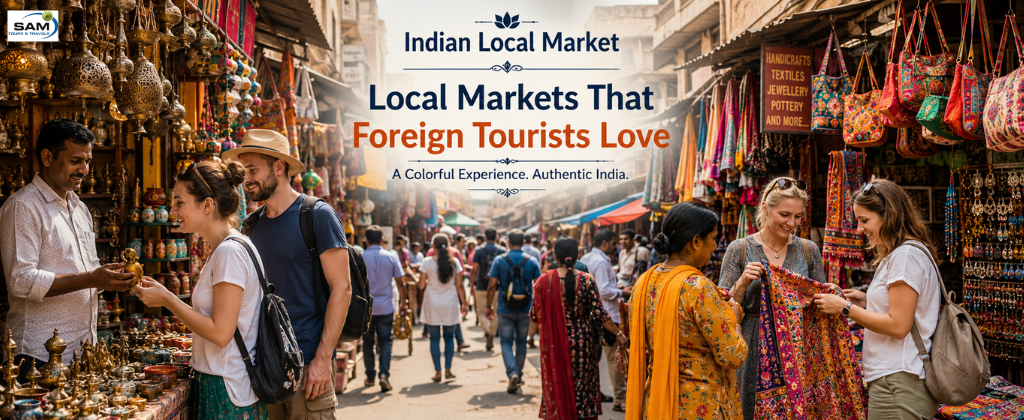
The Local Markets That Foreign Tourists Love are not just shopping destinations. They are vibrant spaces filled with colors, sounds, flavors, traditions, and stories. From crowded streets selling handmade crafts to spice markets carrying centuries-old trading traditions, these places provide experiences that remain unforgettable.
Foreign travelers often visit Indian markets to discover authentic souvenirs, taste local food, interact with artisans, and understand regional lifestyles. Unlike large shopping malls, local markets offer a personal connection between buyers and sellers.
Every market has its own identity. A market in Jaipur reflects royal Rajasthani culture, while a Delhi bazaar showcases centuries of history. Similarly, markets in Kerala, Goa, and Mumbai reveal the unique character of their regions.
Exploring these markets allows travelers to see the real India beyond tourist attractions.
Why Foreign Tourists Love Indian Local Markets
Indian markets attract international visitors for many reasons. They provide experiences that cannot be found anywhere else.
1. Authentic Cultural Experience
Local markets are living examples of Indian traditions. Visitors can watch artisans creating handmade products, observe local shopping habits, and experience regional customs.
A simple walk through a market can introduce travelers to:
- Traditional clothing
- Handmade crafts
- Local foods
- Spices
- Jewelry
- Regional artwork
These experiences create a deeper connection with Indian culture.
2. Unique Handmade Products
Many foreign tourists love Indian markets because they offer handmade items that are difficult to find elsewhere.
Popular purchases include:
- Handwoven textiles
- Traditional jewelry
- Wooden crafts
- Leather products
- Brass items
- Handmade decorations
- Local artwork
Buying these products also supports small businesses and artisan communities.
3. Affordable Shopping Experiences
Indian markets offer products at different price ranges. Travelers can find both simple souvenirs and high-quality handmade goods.
The opportunity to negotiate prices also makes shopping more interactive and enjoyable for many visitors.
However, respectful bargaining is important. It helps maintain a friendly relationship between travelers and local sellers.
Delhi: Historic Markets Full of Culture
Chandni Chowk – The Heart of Old Delhi
One of the most famous examples of Local Markets That Foreign Tourists Love is Chandni Chowk in Delhi.
Established during the Mughal era, this historic market has been a center of trade for hundreds of years. Its narrow lanes, old buildings, and busy streets create a unique atmosphere.
Visitors can explore shops selling:
- Traditional Indian clothing
- Jewelry
- Spices
- Dry fruits
- Books
- Street food
The market is especially famous for its food culture. Foreign travelers often enjoy trying local dishes such as parathas, sweets, and traditional snacks.
Walking through Chandni Chowk feels like traveling back in time.
Dilli Haat – A Cultural Shopping Experience
Unlike traditional crowded markets, Dilli Haat offers a more organized environment where visitors can experience crafts from different Indian states.
The market features:
- Handicrafts
- Regional clothing
- Handmade jewelry
- Traditional food stalls
- Cultural performances
For foreign tourists who want to explore India’s diversity in one place, Dilli Haat is an excellent destination.
Each stall represents a different region, allowing visitors to discover various Indian traditions without traveling across the entire country.
Jaipur: Royal Markets of Rajasthan
Johari Bazaar – Jewelry and Traditional Craftsmanship
Jaipur is famous for its royal heritage, and its markets reflect the city’s artistic traditions.
Johari Bazaar is one of the most popular markets among international visitors. The market is known for beautiful jewelry, gemstones, and traditional Rajasthani designs.
Visitors can find:
- Handmade jewelry
- Silver ornaments
- Traditional accessories
- Colorful textiles
The market showcases Rajasthan’s connection with craftsmanship and luxury.
Bapu Bazaar – Colorful Shopping Streets
Bapu Bazaar is another favorite among travelers visiting Jaipur.
The market is famous for:
- Mojari footwear
- Textiles
- Handicrafts
- Bags
- Souvenirs
Foreign tourists often visit this market because it offers traditional products at reasonable prices.
The colorful shops, friendly sellers, and lively atmosphere make shopping here a memorable experience.
Agra: Markets Beyond the Taj Mahal
Kinari Bazaar – A Traditional Old City Market
Agra is known worldwide for the Taj Mahal, but its local markets offer another side of the city.
Kinari Bazaar is one of the most popular markets for travelers who want to experience authentic Agra culture.
The narrow streets are filled with shops selling:
- Decorative items
- Wedding accessories
- Textiles
- Jewelry
- Handicrafts
The market reflects Agra’s long history as a center of trade during the Mughal period.
Sadar Bazaar – Shopping and Local Flavors
Located near Agra Cantonment, Sadar Bazaar is a lively market visited by both locals and tourists.
Visitors can explore:
- Leather goods
- Handicrafts
- Clothing
- Local snacks
- Souvenirs
The market is also a great place to taste Agra’s famous sweets and street food.
For many travelers, exploring Sadar Bazaar creates a more personal connection with the city.
The Magic of Indian Markets
The charm of Indian markets comes from their energy and authenticity.
Unlike standard shopping experiences, local bazaars involve all the senses:
- Bright colors from textiles and decorations
- Aromas of spices and street food
- Sounds of vendors and conversations
- Textures of handmade products
This combination creates an experience that foreign visitors remember long after their journey ends.
Mumbai: Markets Where Tradition Meets Modern Culture
Colaba Causeway – A Favorite Among International Travelers
Mumbai is known for its fast-paced lifestyle, historic buildings, and coastal charm. Among its many attractions, Colaba Causeway remains one of the most popular shopping destinations for foreign visitors.
Located near famous landmarks like the Gateway of India, this lively street market offers a mix of traditional and modern products.
Travelers can explore shops selling:
- Handmade jewelry
- Clothing
- Leather bags
- Art pieces
- Souvenirs
- Traditional accessories
The market’s relaxed atmosphere makes it enjoyable for visitors who want to combine sightseeing with shopping.
Foreign tourists especially enjoy browsing through colorful stalls, meeting local sellers, and finding unique items that represent Mumbai’s culture.
Crawford Market – A Historic Shopping Landmark
Crawford Market, officially known as Mahatma Jyotiba Phule Mandai, is one of Mumbai’s oldest markets.
Built during the British era, the market combines historic architecture with the energy of a traditional Indian bazaar.
The market is famous for:
- Fresh fruits and vegetables
- Spices
- Dry fruits
- Imported products
- Decorative items
Walking through Crawford Market gives visitors an authentic view of Mumbai’s daily life.
The market is not just a place for shopping. It is a cultural experience where travelers can observe local traditions and trading practices.
Varanasi: Markets Full of Spiritual and Artistic Heritage
Vishwanath Gali – Traditional Shopping Near the Ghats
Varanasi is one of the world’s oldest continuously inhabited cities. Its markets reflect the city’s spiritual atmosphere and artistic traditions.
Vishwanath Gali, located near the famous temples and ghats, is a popular destination for foreign tourists.
The narrow lanes are filled with shops offering:
- Religious items
- Handmade crafts
- Traditional clothing
- Wooden products
- Local sweets
Visitors enjoy exploring these colorful streets while experiencing the unique atmosphere of Varanasi.
Varanasi Silk Market – A Tradition of Fine Weaving
Varanasi is famous worldwide for its beautiful silk sarees and handwoven textiles.
The city’s silk markets attract travelers looking for authentic Indian fabrics.
Foreign visitors often purchase:
- Banarasi silk sarees
- Scarves
- Stoles
- Handmade textiles
- Traditional fabrics
The weaving tradition of Varanasi has continued for centuries. Many artisans still create designs using techniques passed down through generations.
Buying directly from genuine sellers helps support local weaving communities.
Goa: Relaxed Markets Loved by Global Travelers
Anjuna Flea Market – A Cultural Meeting Point
Goa’s relaxed lifestyle and international popularity make its markets unique.
The Anjuna Flea Market is one of the most famous markets among foreign tourists.
Originally started as a gathering place for travelers, the market has become a colorful shopping destination.
Visitors can find:
- Handmade jewelry
- Clothing
- Bags
- Artwork
- Spices
- Souvenirs
The market also reflects Goa’s multicultural identity, with sellers and visitors from different parts of the world.
Live music, food stalls, and a beachside atmosphere make shopping here a memorable experience.
Mapusa Market – Traditional Goan Shopping
Mapusa Market offers a more local experience compared to tourist-focused markets.
This traditional market is popular for:
- Fresh produce
- Spices
- Local handicrafts
- Goan snacks
- Handmade products
Foreign visitors who want to understand everyday Goan life often enjoy exploring this market.
It provides a closer connection with local communities and traditions.
Kolkata: Markets Filled With History and Creativity
New Market – A Colonial-Era Shopping Destination
Kolkata’s New Market is one of the city’s most famous shopping areas.
Established during the British period, this historic market continues to attract visitors with its wide variety of products.
Travelers can explore shops selling:
- Clothing
- Leather products
- Flowers
- Food items
- Handicrafts
- Traditional sweets
The market’s old-world charm makes it an interesting stop for international visitors.
College Street – Books and Intellectual Culture
College Street offers a completely different market experience.
Known as one of the world’s largest book markets, it attracts students, writers, and travelers.
Visitors can discover:
- Rare books
- Academic materials
- Bengali literature
- Second-hand collections
For foreign tourists interested in literature and culture, College Street provides a unique glimpse into Kolkata’s intellectual heritage.
Kerala: Spice Markets and Traditional Crafts
Kochi Spice Markets – Following Ancient Trade Routes
Kerala has been connected with global spice trade for centuries.
The spice markets of Kochi continue this historic tradition by offering visitors a chance to experience India’s famous spices.
Tourists often purchase:
- Black pepper
- Cardamom
- Cinnamon
- Cloves
- Herbal products
Walking through these markets allows visitors to discover the aromas and flavors that once attracted traders from around the world.
Handmade Craft Markets of Kerala
Kerala is also known for its traditional crafts and natural materials.
Visitors can find:
- Wooden handicrafts
- Coconut shell products
- Handwoven items
- Traditional decorations
These markets provide excellent opportunities to buy sustainable souvenirs while supporting local artisans.
Tips for Foreign Tourists Shopping in Indian Markets
Exploring Indian markets is exciting, but a few simple tips can make the experience smoother.
Learn Basic Bargaining Skills
Many local markets allow bargaining. Keep the conversation friendly and respectful.
Carry Small Currency Notes
Small notes make payments easier, especially in street markets.
Check Product Quality
Before purchasing expensive items like textiles, jewelry, or handicrafts, check the quality carefully.
Buy From Trusted Sellers
Purchasing directly from artisans or established shops helps ensure authenticity.
Respect Local Culture
Markets are important parts of community life. Be polite when taking photographs and interacting with sellers.
Why Local Markets Are More Than Shopping Places
The Local Markets That Foreign Tourists Love represent the heart of India’s cultural identity.
They preserve traditional skills, support small businesses, and provide a space where visitors and locals connect.
Every market has its own story. A spice shop may represent centuries of trade, while a handmade textile may represent generations of artisan knowledge.
By exploring these markets, travelers experience India in its most authentic form.
Supporting Local Communities Through Market Tourism
Responsible shopping can create a positive impact.
When tourists purchase handmade products from local sellers, they help:
- Preserve traditional crafts
- Support artisan families
- Encourage small businesses
- Protect cultural heritage
Choosing authentic products instead of mass-produced souvenirs allows travelers to take home something meaningful.
Conclusion
India’s local markets offer much more than shopping opportunities. They are colorful windows into the country’s history, traditions, and everyday life.
From the historic lanes of Delhi to the spice markets of Kerala, every destination offers a unique cultural experience.
The Local Markets That Foreign Tourists Love continue to attract visitors because they provide something unforgettable: genuine connections, handmade treasures, and stories that cannot be found anywhere else.
For international travelers, exploring these markets is not just about buying souvenirs. It is about discovering the soul of India through its people, crafts, flavors, and traditions.