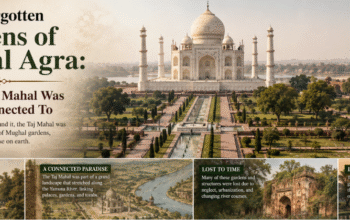
The Taj Mahal is one of the most photographed monuments in the world. Its white marble, grand dome, beautiful gardens, and detailed artwork create endless photo opportunities.
However, taking a great photo requires more than standing in front of the monument. The right angle, viewpoint, light, and composition can make a big difference.
Whether you use a smartphone or a professional camera, you can capture beautiful images with a few simple tips. This Taj Mahal photography guide explores the best viewpoints and photography ideas for your visit.
Why the Taj Mahal Is Perfect for Photography
The Taj Mahal offers something different at every hour of the day. The sunlight changes the appearance of the white marble. As a result, the monument can look soft, bright, warm, or dramatic.
The surrounding gardens also add beauty to your photographs. Pathways, trees, fountains, and water channels can create attractive compositions.
You can try several types of photography during your visit, including:
- Architectural photography
- Travel photography
- Portrait photography
- Smartphone photography
- Landscape photography
- Family photography
Therefore, the Taj Mahal gives every visitor a chance to create memorable photographs.
Capture the Classic Front View
The classic front view remains one of the most popular Taj Mahal photographs.
From the central garden area, the monument appears perfectly balanced. The main dome stands in the centre. The minarets create a strong frame on both sides.
For the best result, keep the monument straight and balanced in your frame. You can also include the reflecting pool in the foreground.
Try these simple tips:
- Keep the Taj Mahal in the centre.
- Include the water channel when possible.
- Use the pathway as a leading line.
- Keep unnecessary objects out of the frame.
This viewpoint works especially well for first-time visitors.
Try a Side Angle
A side angle can give your photograph a completely different look.
Instead of focusing only on symmetry, this viewpoint shows the depth of the monument. You can also capture the dome, minarets, arches, and gardens in one frame.
As you walk through the permitted areas, look for new compositions. A slight change in your position can create a completely different photograph.
Furthermore, side angles often make your travel photos look more natural and artistic.
Use the Gardens as a Natural Frame
The Taj Mahal gardens offer many creative photography opportunities.
Trees and plants can act as natural frames around the monument. This technique draws attention to the Taj Mahal.
For example, you can photograph the monument between tree branches. You can also use an opening in the greenery to create a unique composition.
Natural framing works well because it adds depth to your image. It also helps you create a photograph that looks different from the usual front view.
Visit Mehtab Bagh for a Different View
Mehtab Bagh offers a popular alternative view of the Taj Mahal. It lies across the Yamuna River.
From this location, you can photograph the monument from a wider perspective. The river and surrounding landscape can also become part of your composition.
This viewpoint works well for landscape photography. You can capture:
- The Taj Mahal from across the river
- Wide landscape views
- The surrounding sky
- The riverfront landscape
- Sunset scenes
Moreover, this viewpoint shows the Taj Mahal in a different setting. You can focus on the relationship between the monument and the surrounding landscape.
Try a Low-Angle Photograph
A low-angle photograph can make the Taj Mahal look larger and more dramatic.
To create this effect, hold your camera closer to the ground. Then, point it slightly upwards.
This technique can help you highlight:
- The main dome
- The tall minarets
- The architectural height
- The sky above the monument
However, avoid using an extreme angle. Too much distortion can make the architecture look unnatural.
Focus on Architectural Details
The Taj Mahal is famous for its grand appearance. However, its smaller details also deserve attention.
Take time to photograph the beautiful craftsmanship around the monument.
You can focus on:
- Marble inlay designs
- Floral patterns
- Decorative arches
- Calligraphy
- Carved marble screens
- Dome details
These close-up photographs can tell a different story. A wide photo shows the grandeur of the Taj Mahal. A close-up photo shows the skill behind its design.
Therefore, try to capture both types of images during your visit.
Use Leading Lines
Leading lines guide the viewer’s eyes through a photograph.
The Taj Mahal complex offers many natural leading lines. These include garden paths, water channels, reflecting pools, and architectural edges.
For example, place a pathway in the foreground. Then, allow it to lead the viewer’s eyes towards the Taj Mahal.
This technique adds depth to your image. It also makes the photograph more interesting.
Choose the Right Time for Photography
The appearance of the Taj Mahal changes throughout the day. Therefore, the time of your visit can affect your photographs.
Early Morning
Early morning offers soft and gentle light. The atmosphere can also feel calm and peaceful.
This time works well for visitors who want:
- Soft light
- Gentle shadows
- A peaceful atmosphere
- Fresh garden views
Midday
Bright daylight can highlight the details of the monument.
You can focus on the marble, carvings, and architectural lines. However, strong sunlight can also create harsh shadows.
Therefore, check the light before taking your photograph.
Late Afternoon
The light becomes warmer during the late afternoon.
As a result, the Taj Mahal can develop a softer and warmer appearance. This time works well for portraits and travel photographs.
Sunset
Sunset can add beautiful colours to the sky.
Try taking a wider photograph during this time. Include the monument, the sky, and the surrounding landscape.
This approach can create a dramatic travel photograph.
Smartphone Photography Tips
You do not need an expensive camera to take great Taj Mahal photographs.
Modern smartphones offer excellent camera features. With a few simple techniques, you can improve your images.
Clean Your Camera Lens
Always clean your camera lens before taking photographs.
A dirty lens can make your images look blurry or hazy.
Use the Grid
The grid feature can help you keep the Taj Mahal straight.
It can also help you improve the composition of your photograph.
Avoid Too Much Zoom
Digital zoom can reduce image quality.
Instead, move closer when possible. You can also use the optical zoom on your smartphone.
Try Different Modes
Depending on your phone, you can try:
- Wide-angle mode
- Portrait mode
- Panorama mode
- Night mode
Use each mode according to the scene.
Focus on Your Subject
Tap the screen to focus on the Taj Mahal or your main subject.
This simple step can help you capture sharper photographs.
Taj Mahal Photography Ideas for Couples
The Taj Mahal is a popular destination for couples.
However, you do not need to use the same traditional pose every time. Natural photographs often look more memorable.
You can try:
- Walking together through the gardens
- Standing with the Taj Mahal in the background
- Taking a candid photograph
- Capturing a silhouette
- Photographing your hands with the monument behind you
Most importantly, enjoy the moment. Natural expressions often create the best travel photographs.
Family Photography at the Taj Mahal
Families can also capture memorable photographs during their visit.
You can take:
- Group photographs
- Individual portraits
- Candid family photographs
- Walking photographs
- Photographs of children exploring the gardens
Try to capture natural interactions. A family laughing or walking together can create a more lively photograph than a stiff pose.
Follow Photography Rules
Always follow the rules of the Taj Mahal complex.
Some areas may have photography restrictions. Interior spaces can also have specific rules.
Therefore:
- Follow security instructions.
- Avoid restricted areas.
- Do not touch the monument.
- Keep pathways clear.
- Respect other visitors.
- Follow photography rules.
Responsible photography helps protect this historic monument.
Common Taj Mahal Photography Mistakes
Many visitors make simple photography mistakes. Fortunately, you can avoid them easily.
Taking Only One Photograph
Your first angle may not be your best angle.
Therefore, try different positions and viewpoints.
Ignoring the Background
Always check the complete frame.
Unwanted objects can distract attention from the Taj Mahal.
Using Too Much Zoom
Excessive digital zoom can reduce image quality.
Instead, use your camera carefully and move closer when possible.
Forgetting the Sky
The sky can change the mood of your photograph.
Clouds, colours, and sunlight can all add interest to your image.
Photographing Only the Monument
Your travel story should include more than the Taj Mahal.
Also photograph the gardens, pathways, details, and surrounding landscape.
Create a Complete Taj Mahal Photo Story
Try to capture different types of photographs during your visit.
Start with a wide photograph of the monument. Then, capture medium-distance photographs of the architecture.
After that, focus on smaller details.
You can also photograph:
- The entrance
- The gardens
- The pathways
- The Yamuna River
- Local surroundings
- Your travel companions
This approach creates a complete visual story of your Taj Mahal visit.
Plan Your Photography Before Your Visit
A little planning can improve your photography experience.
First, decide what type of photographs you want to take. Do you want architectural photographs? Do you prefer portraits? Or do you want wide landscape images?
Your answer can help you choose the right viewpoint.
For example, architecture lovers may enjoy close-up details. Landscape photographers may prefer a wider viewpoint. Families may focus on group photographs.
As a result, planning can help you use your time more effectively.
Final Thoughts
The Taj Mahal offers much more than one famous photograph.
Its changing light, beautiful architecture, gardens, and surrounding landscape create countless photography opportunities.
Therefore, take your time during your visit. Try different angles. Look for interesting details. Pay attention to the light.
Whether you use a smartphone or a professional camera, the right viewpoint can transform an ordinary image into a memorable travel photograph.
Use this Taj Mahal photography guide to capture the beauty of the monument from your own perspective.
If you are planning a visit, a well-organised Taj Mahal tour can help you explore Agra comfortably and make the most of your travel experience.