
·
Last Updated: August 18, 2026
The Taj Mahal is one of the most photographed monuments in the world—and for good reason. Its white marble beauty, perfect symmetry, and changing colors throughout the day make it a dream location for photographers.
Whether you are a beginner or an experienced photographer, this Taj Mahal photography guide will help you capture stunning images. From the best angles to camera tips, tour planning, and ticket details, this guide covers everything you need.
Why the Taj Mahal is Perfect for Photography
The Taj Mahal offers a unique mix of architecture, light, and natural surroundings. Its design is perfectly symmetrical, which makes composition easier and more creative.
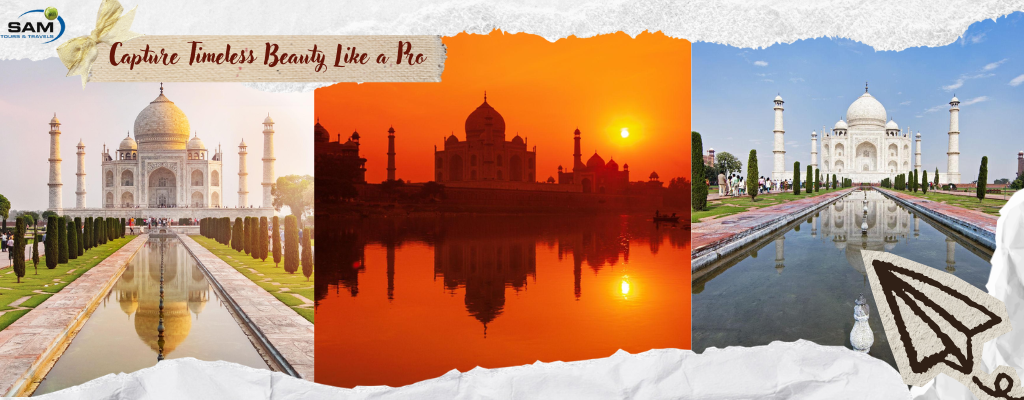
The monument also changes color during the day—soft pink in the morning, bright white at noon, and golden at sunset. This gives photographers multiple chances to capture different moods in one tour.
The nearby Yamuna River adds reflections and depth, making your photos even more attractive.
Best Time for Taj Mahal Photography


Timing is everything in photography. Choosing the right time can completely change your results.
1. Sunrise – Soft and Golden
Early morning is the best time for photography. The light is soft, and the crowd is smaller. This helps you take clean and peaceful shots.
2. Midday – Bright and Clear
The sunlight is strong, which highlights the white marble. However, shadows can be harsh, so use this time for detail shots.
3. Sunset – Warm and Dramatic
Evening light adds warmth to your photos. You can also capture silhouettes from across the river.
4. Full Moon Night – Magical Shots
If you get a special night ticket, you can capture the Taj Mahal under moonlight. This creates a soft and dreamy effect.
Entry, Ticket, and Tour Information
Before you start your photography tour, it’s important to plan properly.
- Tickets can be booked through the Archaeological Survey of India
- Early booking is recommended, especially during peak season
- Entry gates open before sunrise
- Tripods are usually not allowed inside
- Follow all rules for a smooth experience
A well-planned tour helps you focus more on photography and less on waiting.
Best Photography Spots Around the Taj Mahal


1. Main Gate (Darwaza-i-Rauza)
This is the first view of the Taj Mahal. Use the arch to frame the monument.
2. Reflection Pool
The central water channel creates a mirror effect. Perfect for symmetrical shots.
3. Mehtab Bagh
Located across the river, this spot offers a unique back view—great for sunset photography.
4. Side Gardens
These areas provide creative angles with fewer crowds.
Simple Camera Settings for Better Photos
You don’t need expensive gear to take great photos. Just use the right settings:
- Use low ISO for clear images
- Adjust white balance for accurate colors
- Use HDR mode in bright sunlight
- Keep your camera steady
- Avoid overexposure
If you are using a smartphone, turn on grid lines to maintain symmetry.
Composition Tips for Stunning Shots
Good composition makes your photos stand out. Follow these simple tips:
- Use symmetry as your main focus
- Apply the rule of thirds
- Capture reflections in water
- Include people for scale
- Try different angles and heights
Keep your frame clean and avoid distractions.
Photography Rules You Must Follow
To protect the monument, some rules are strictly followed:
- Tripods and drones are not allowed
- Avoid flash inside certain areas
- Do not touch or damage the structure
- Follow security guidelines
- Respect other visitors
Following these rules ensures a smooth photography tour.
Editing Tips for Final Touch
After your tour, editing can enhance your photos:
- Adjust brightness and contrast
- Improve sharpness
- Enhance colors naturally
- Crop for better framing
- Use simple editing apps
Avoid over-editing to keep your images realistic.
Why a Photography Guide is Helpful
A proper guide helps you save time and capture better photos. It also helps you understand lighting, angles, and timing.
If you are visiting for the first time, hiring a local photography guide can improve your experience. They know the best spots and timing for perfect shots.
Conclusion
The Taj Mahal is not just a monument—it is a photography masterpiece. With the right planning, timing, and techniques, you can capture its true beauty.
This Taj Mahal photography guide gives you everything you need—from ticket planning to camera tips and tour ideas. Whether you are using a DSLR or a smartphone, the key is to observe light and composition.
Take your time, explore different angles, and enjoy the experience. Your photos will reflect not just the beauty of the Taj Mahal, but also your creative vision.
For More Information : Read More