
·
Last Updated: August 18, 2026
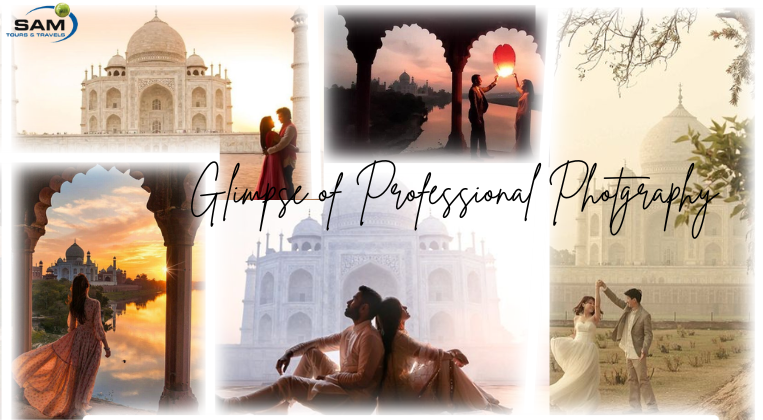
The Taj Mahal is one of the most photographed monuments in the world. Every year, millions of travelers visit Agra hoping to capture the beauty of this iconic masterpiece. Yet when people compare their photographs to those taken by professionals, they often wonder what makes the difference.
Is it expensive camera equipment? Years of experience? Secret photography locations?
The truth is that professional photographers rely on a combination of planning, timing, lighting, composition, and technical skills to create breathtaking images of the Taj Mahal. While advanced equipment can help, understanding how professionals approach a photo shoot is often more important than owning the latest camera.
Whether you’re visiting for the first time, planning a photography tour, or looking to improve your travel photography skills, this guide will reveal how professional photographers capture the Taj Mahal and create images that stand out from ordinary tourist snapshots.
Why the Taj Mahal Is a Photographer’s Paradise
The Taj Mahal offers unique photography opportunities because of its:
- Perfect symmetry
- White marble architecture
- Reflective water pools
- Beautiful Mughal gardens
- Intricate carvings
- Changing light throughout the day
- Historic atmosphere
Professional photographers understand that the monument is not just a building—it is a constantly changing subject influenced by weather, seasons, and sunlight.
Every visit can produce a completely different set of photographs.
Planning Before the Shoot
One of the biggest secrets behind professional photography happens long before the camera is even used.
Professionals spend time researching:
- Sunrise and sunset timings
- Weather forecasts
- Crowd levels
- Photography locations
- Seasonal conditions
Many photographers arrive in Agra a day before their shoot to scout locations and understand lighting conditions.
This preparation allows them to maximize every opportunity when the perfect moment arrives.
Why Sunrise Is the Favorite Time for Professionals
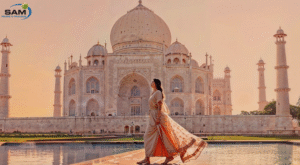
Ask almost any experienced photographer about the best time to photograph the Taj Mahal, and the answer is usually the same: sunrise.
Benefits of Sunrise Photography
Soft Natural Light
The first rays of sunlight create a warm glow that enhances the white marble structure.
Fewer Crowds
Early morning visitors are significantly fewer than later in the day, making it easier to capture clean compositions.
Pleasant Weather
Cool temperatures allow photographers to work comfortably for several hours.
Beautiful Color Changes
During sunrise, the monument often displays subtle shades of pink, orange, and gold.
Professional photographers frequently arrive before opening hours to be among the first visitors inside.
Understanding the Importance of Light
Light is the foundation of every great photograph.
Professionals carefully observe:
- Direction of sunlight
- Intensity of light
- Shadows
- Reflections
- Cloud cover
Many beginners focus entirely on camera settings while ignoring lighting conditions.
Professional photographers know that even a basic camera can produce extraordinary images when used in excellent light.
Capturing the Taj Mahal’s Symmetry
The Taj Mahal is famous for its near-perfect symmetry.
Professional photographers often use this feature to create visually balanced compositions.
How They Do It
- Position themselves directly in the center.
- Align the monument carefully.
- Use leading lines.
- Balance foreground and background elements.
The central reflecting pool is one of the most popular locations for achieving this effect.
When symmetry is captured correctly, the photograph immediately feels more professional and visually appealing.
Using Different Angles Instead of Standard Tourist Shots
Many visitors stand in the same location and take identical photographs.
Professionals search for unique perspectives.
Side Angles
Photographing from the sides reveals:
- Architectural depth
- Curved structures
- Different shadows
Low Angles
Shooting from a lower position makes the monument appear more dramatic and imposing.
Framed Views
The entrance gate provides a natural frame that adds depth and storytelling elements to photographs.
Exploring multiple viewpoints helps photographers create a diverse collection of images.
The Role of Composition
Composition is one of the biggest differences between amateur and professional photography.
Professionals rarely place the monument randomly within the frame.
Instead, they use proven techniques.
Leading Lines
The pathways and reflecting pools naturally guide the viewer’s eyes toward the monument.
Rule of Thirds
While symmetry often dominates Taj Mahal photography, professionals sometimes place subjects off-center to create more dynamic compositions.
Foreground Interest
Adding flowers, pathways, fountains, or people in the foreground creates depth and visual engagement.
Good composition transforms a simple photograph into a compelling visual story.
Professional Camera Settings for Taj Mahal Photography
While settings vary depending on conditions, professionals generally adjust their cameras carefully rather than relying on automatic modes.
Low ISO Settings
Lower ISO values help maintain image quality and reduce noise.
Aperture Selection
For landscape shots, photographers often choose narrower apertures to keep the entire scene sharp.
For portraits, wider apertures help separate subjects from the background.
Shutter Speed
Shutter speed depends on lighting conditions and whether movement is involved.
Professionals constantly adapt these settings to achieve the desired result.
Why Professionals Shoot in RAW Format
Most professional photographers shoot in RAW rather than JPEG.
Advantages of RAW Files
- More image information
- Better color correction
- Improved exposure recovery
- Greater editing flexibility
RAW images provide significantly more control during post-processing.
This is one reason professional photographs often appear richer and more polished.
Capturing Details Most Tourists Ignore
Many visitors focus only on photographing the entire monument.
Professionals know that details tell an equally important story.
They often photograph:
- Marble inlay work
- Floral patterns
- Arabic calligraphy
- Decorative carvings
- Architectural textures
These close-up images add variety and showcase the craftsmanship behind the monument.
Portrait Photography at the Taj Mahal
The Taj Mahal is one of the most popular portrait photography locations in India.
Professional photographers use several techniques to create memorable portraits.
Choosing the Right Background
Rather than standing directly in front of the monument, photographers often create distance between the subject and the structure.
This allows:
- Better composition
- Improved balance
- More natural-looking portraits
Using Natural Poses
Professionals avoid stiff poses.
Instead, they encourage:
- Walking shots
- Looking toward the monument
- Natural interactions
These images feel authentic and emotionally engaging.
Photographing the Taj Mahal in Different Seasons
Each season offers unique opportunities.
Winter Photography
Winter is generally considered the best season.
Benefits include:
- Pleasant temperatures
- Clear skies
- Comfortable conditions
Monsoon Photography
Rainy weather creates:
- Dramatic clouds
- Rich colors
- Unique moods
Summer Photography
Although temperatures are higher, early mornings still provide excellent conditions.
Professional photographers adapt their techniques according to the season.
Popular Photography Locations Beyond the Main Complex
Professional photographers don’t limit themselves to one location.
Mehtab Bagh
Located across the Yamuna River, this garden offers stunning sunset views of the Taj Mahal.
Advantages include:
- Less crowded environment
- Unique perspectives
- Beautiful evening light
Agra Fort
Agra Fort provides historical viewpoints where photographers can frame the Taj Mahal within another architectural masterpiece.
These images often tell a richer visual story.
The Importance of Patience
One of the most overlooked photography skills is patience.
Professional photographers often:
- Wait for better light.
- Wait for crowds to clear.
- Wait for interesting clouds.
- Wait for reflections to improve.
Sometimes the perfect image appears only after several minutes—or even hours—of observation.
Patience often separates extraordinary photographs from ordinary ones.
Post-Processing and Editing
Professional photography does not end when the shutter is pressed.
Editing plays a significant role in the final result.
Typical adjustments include:
- Exposure correction
- Color balancing
- Contrast enhancement
- Sharpness improvements
- Highlight recovery
However, professionals avoid excessive editing that makes images appear unrealistic.
The goal is to enhance reality rather than completely transform it.
Common Mistakes Amateur Photographers Make
Understanding mistakes can help travelers improve their results.
Arriving Too Late
Crowds make photography more difficult.
Ignoring Weather Conditions
Clouds and atmospheric conditions can significantly affect photographs.
Taking Only One Type of Photo
Variety is essential.
Professionals capture:
- Wide shots
- Close-ups
- Portraits
- Details
- Landscape views
Overediting Images
Natural photographs often look more professional than heavily processed ones.
Photography Tips for Smartphone Users
You don’t need expensive equipment to take beautiful photos.
Modern smartphones can produce excellent results when used correctly.
Use Grid Lines
They help maintain symmetry.
Clean the Lens
A clean lens dramatically improves image quality.
Avoid Digital Zoom
Move closer whenever possible.
Focus Manually
Tap the monument before taking the photograph.
Many stunning travel photos are captured entirely on smartphones.
Final Thoughts
Professional photographers capture the Taj Mahal through a combination of preparation, creativity, technical knowledge, and patience. Their success is not based solely on expensive cameras but on understanding light, composition, timing, and storytelling.
By arriving early, exploring multiple angles, using natural light effectively, and paying attention to details, any traveler can improve their photography skills and create remarkable images of this world-famous monument.
Whether you’re using a smartphone, mirrorless camera, or DSLR, the Taj Mahal offers endless opportunities for creative expression. The key is to slow down, observe carefully, and approach each photograph with intention. When you do, you’ll return home with images that not only document your visit but also capture the timeless beauty and emotion that make the Taj Mahal one of the most extraordinary landmarks on Earth.
For More Information : Read more